March 24, 2026

M
Y
F
U
T
U
R
E


23
MarAre you a Moroccan student hoping to study in Europe without tying up a large sum in a blocked bank account? Lithuania and several other EU countries offer a more straightforward route. This guide explains how the blocked-account requirement works, what it means for your budget, and how our three Moroccan offices can help.
What Is a Blocked Account and Why Does It Matter?
In a number of European countries, students must deposit a fixed sum into a blocked account before a student visa is issued. The money is released gradually once you arrive, and the requirement exists to show you can cover your living costs.
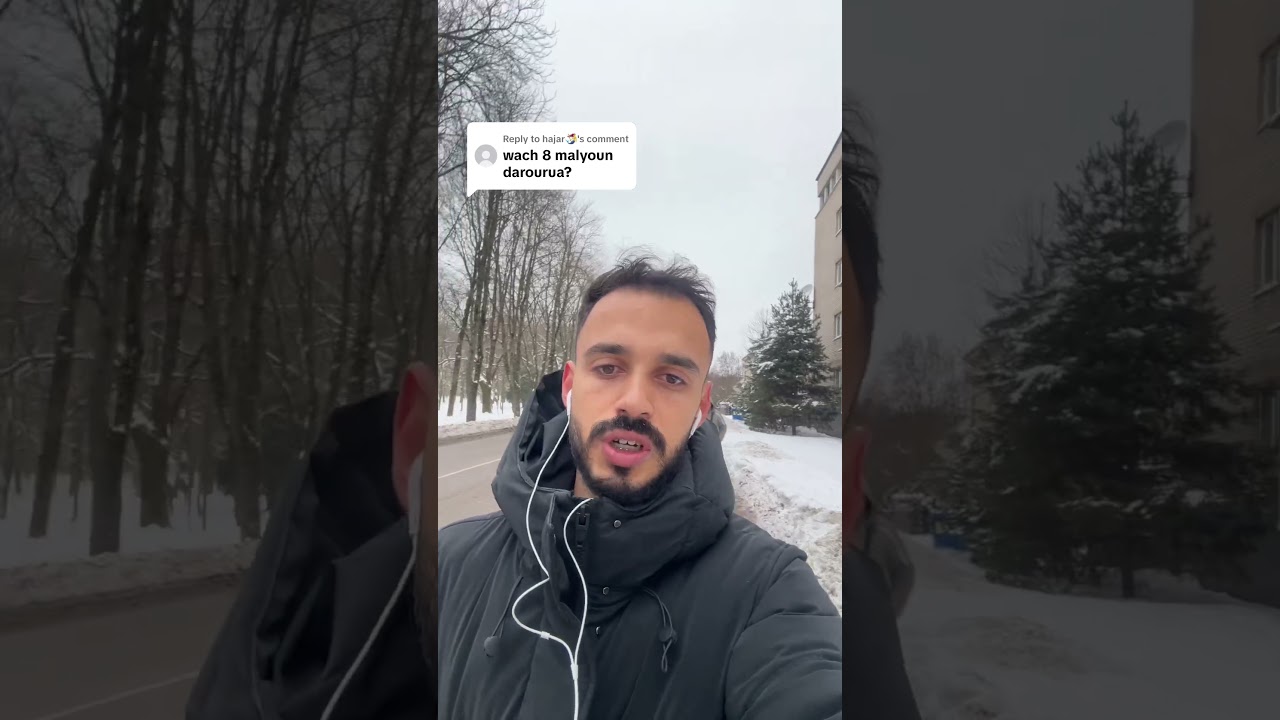
Lithuania has not applied a blocked-account requirement of this kind to Moroccan student applicants. In practice this means you show proof of sufficient funds rather than freezing a set amount for the year.
How Much Money Do You Need?
You still need to cover tuition and living costs. As a working figure, students have typically budgeted around €5,000 for first-year tuition and initial living expenses, against roughly €8,000 that a blocked account would tie up elsewhere in the EU.
Which Countries Are Open to Moroccan Students?
Several European countries welcome Moroccan students onto English-taught programmes:
- Lithuania
- Latvia
- Hungary
- Romania
All of these are in the Schengen Area, so a student residence permit allows travel across the zone.
Our Offices in Morocco
We run three offices across Morocco and handle each administrative step, from preparing your file through to admission and the visa application.
Casablanca Office
WhatsApp: 06.68.29.05.80
Rabat Office
WhatsApp: 06.75.85.26.27
Agadir Office
WhatsApp: 06.73.87.40.61
Please note: Tuition, living costs and visa requirements vary by university, programme and academic year, and are set by the Lithuanian authorities and each institution. Always confirm the current figures with the university and the relevant consulate before you apply.